What is Construction Bin Rental and How Does It Work?
In the ever-evolving world of construction, efficiency is key. One essential tool in achieving this is construction bin rental. Sarah Johnson, a noted industry expert, states, "Proper waste management is crucial for any construction project." This highlights the growing importance of having a reliable waste disposal solution.
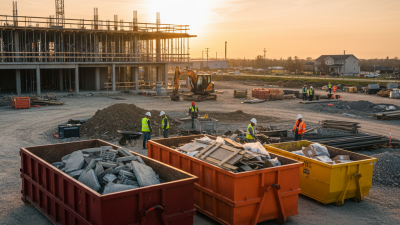
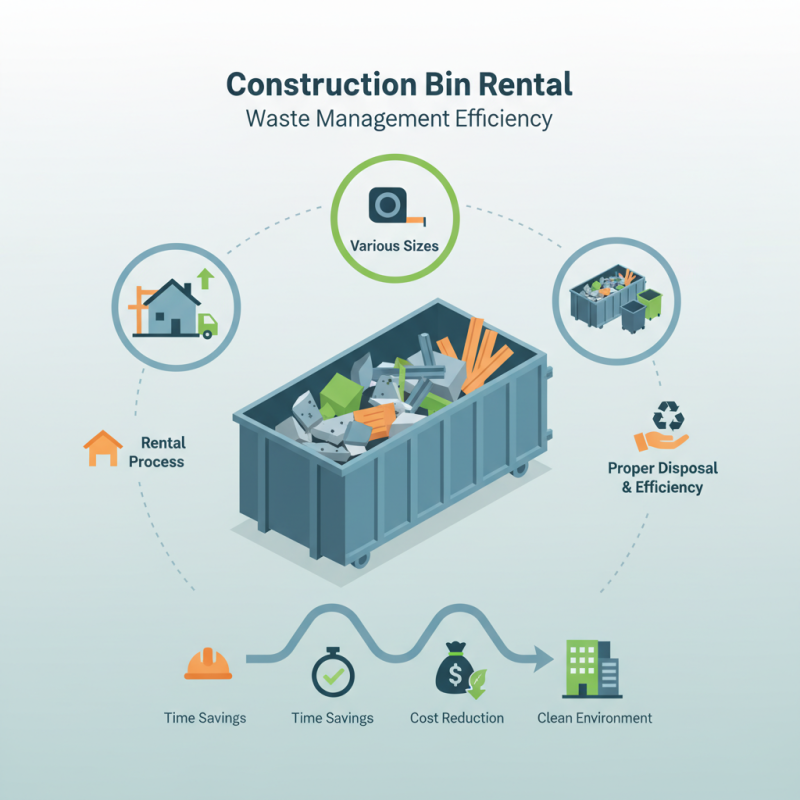
Construction bin rentals provide a practical way to manage debris and unwanted materials on-site. These bins come in various sizes to accommodate different project scales. From small renovations to large developments, a bin rental can meet specific needs. Companies often face challenges in choosing the right size or frequency of rental. The wrong choice can lead to delays and increased costs.
Understanding how construction bin rental works is vital for site managers. A clear plan helps minimize waste and maintain a clean environment. However, many overlook important details, like loading guidelines and disposal regulations. This oversight can lead to complications and frustration. A proactive approach ensures that projects run smoothly and efficiently.
What is Construction Bin Rental?
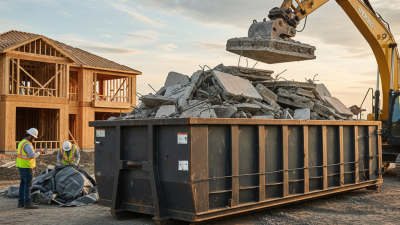
Construction bin rental refers to the service of providing large containers for waste disposal at construction sites. These bins come in various sizes, catering to different project needs. A report by the Environmental Protection Agency suggests that construction and demolition debris accounts for nearly 25% of all solid waste generated in the U.S. Managing this waste effectively is crucial.
Construction bin rental simplifies waste management. Contractors can order bins online or over the phone. Bins are delivered to the site and picked up when full. Typically, these bins hold up to 10 tons of waste. Yet, many projects still struggle with overfilling or improper waste separation, highlighting a common pitfall in the industry.
Informal waste handling can lead to higher costs and violations. A study indicated that proper waste management can reduce project costs by 10-15%. However, many still overlook this aspect. Considering the potential risks and savings, it’s important to engage with reliable waste management services. This awareness can lead to better practices on site.
The Purpose and Benefits of Construction Bin Rental
Construction bin rental is a service designed to make waste disposal easier and more efficient at job sites. These bins are often large, allowing contractors to dispose of various materials like debris, wood, and metal. This service is becoming increasingly popular due to its convenience and cost-effectiveness.
One significant benefit is that it keeps the worksite organized. When waste accumulates, it can pose safety hazards. Renting a bin ensures waste is managed properly. Moreover, it helps in adhering to local regulations regarding waste disposal. This can save you from potential fines and project delays.
Tips: Always assess the amount and type of waste you expect to generate. This helps in selecting the right bin size. It’s also wise to schedule regular pickups. This keeps the site clean and operational. If you're unsure about your needs, consult with the rental company. They often provide valuable insights on choices.
Waste management can be a complex issue. Sometimes, overspending on bin rental occurs when not planned properly. Reflect on your project needs and budget. Misjudgments in size can lead to extra costs. Adjusting bins mid-project can disrupt workflows. Always prioritize clarity and communication with the rental service.
How to Choose the Right Size for Your Construction Bin
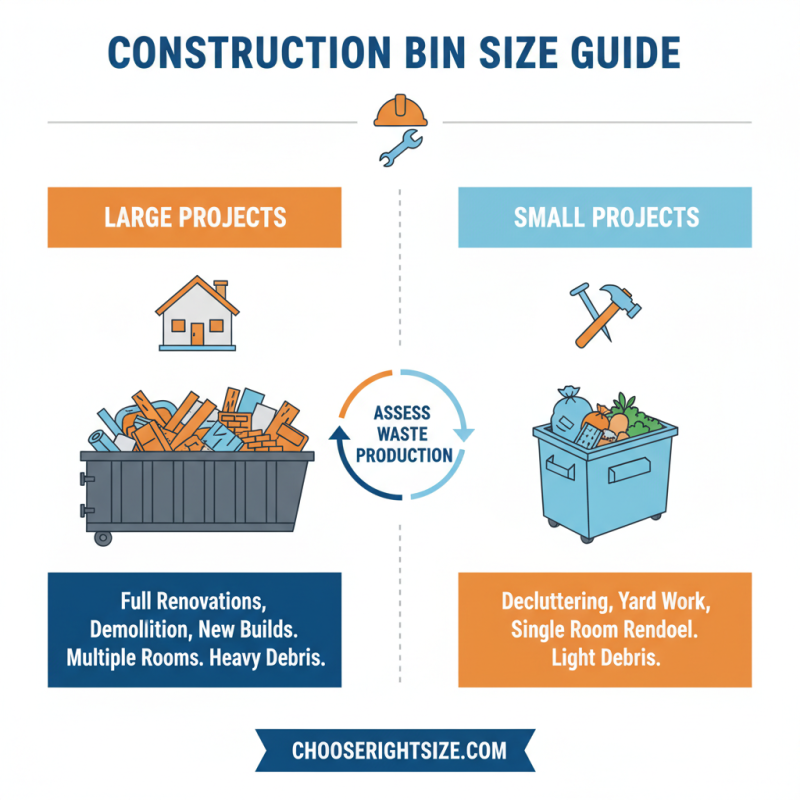
Choosing the right size for your construction bin is crucial. The size will depend on the nature of your project. Larger renovations may require bigger bins. Smaller, simple jobs might only need a compact size. Understanding your project's waste production is key.
When selecting a bin, visualize the waste you'll generate. Do you have heavy debris or just lightweight materials? If you overestimate, you'll pay for unused space. Conversely, underestimating can lead to overflow. Plan your project and waste disposal carefully. You want a balance.
Tips: Always measure your space before choosing. Consider potential waste types. If in doubt, consult with professionals. They can provide advice based on your project specifics. Remember, a well-chosen bin saves you time and money.
The Rental Process: Step-by-Step Guide
The rental process for construction bins involves several key steps. First, you need to assess the scope of your project. How much debris will you generate? According to a 2021 industry report, about 25% of construction waste is created from dumping excess materials. Understanding your needs is crucial.
Next, research local rental companies. Request quotes and ask about sizes. A 10-yard bin is ideal for small renovations, while larger projects might require a 40-yard bin. Most companies provide online booking, making it easier for busy contractors to schedule rentals.
Once you've selected a company, you'll arrange delivery. Clear access to your site is essential. If the bin cannot be placed correctly, delays can arise. Additionally, be aware of the rental period. Many clients underestimate how long they will need the bin. This can lead to rushed decisions and higher costs. In 2022, 15% of renters reported underestimating their waste disposal timelines. Always plan with a bit of cushion for unexpected project shifts.
Managing Waste: Tips for Efficient Use of Construction Bins
Construction projects generate significant waste. According to the EPA, construction and demolition debris accounts for about 25% of the total waste in the U.S. Efficient waste management is crucial for minimizing environmental impact. Using construction bins is a practical solution. It helps streamline debris disposal and keeps the worksite organized.
When utilizing construction bins, consider these tips. First, plan the bin size based on project needs. Overestimating may lead to unnecessary costs, while underestimating can cause delays. Second, educate your team on what materials are acceptable for disposal. This clarity can prevent contamination and additional fees. Finally, schedule regular pickups. This prevents overflowing bins and maintains a tidy site.
Managing waste effectively requires ongoing effort. Sometimes, bins remain underutilized due to poor placement. It’s important to regularly assess their location for easier access. Reflect on how staff can be trained better to use bins more efficiently. This approach encourages responsibility and can lead to better practices on-site.
Construction Bin Rental Usage Breakdown
This chart illustrates the percentage breakdown of construction bin rentals across various types of projects. The data indicates that commercial projects account for the largest share of rentals, followed by residential projects and industrial projects.