2026 How to Choose the Right Construction Bin Rental for Your Project?
When planning a construction project, selecting the right construction bin rental is crucial. A properly chosen bin can make waste disposal efficient and keep your site organized. However, not all bins are created equal. Different projects have unique needs, and understanding these can help avoid costly mistakes.
Consider the size of your project. A small renovation might only require a compact bin, while extensive remodeling needs a larger container. Be wary of overestimating your needs. Ordering too large of a bin can lead to unnecessary expenses. Also, think about the type of waste you’ll generate. Not all bins accommodate every waste type. Specific regulations may limit what can be disposed of in each bin.
Take the time to research local companies. Their reputations can make a significant difference in service quality. Read reviews and ask questions. It's easy to overlook details that matter, such as delivery times or hidden fees. Remember, a little effort in the selection process can lead to a smoother project execution.
Understanding Your Project Needs for Construction Bin Rental
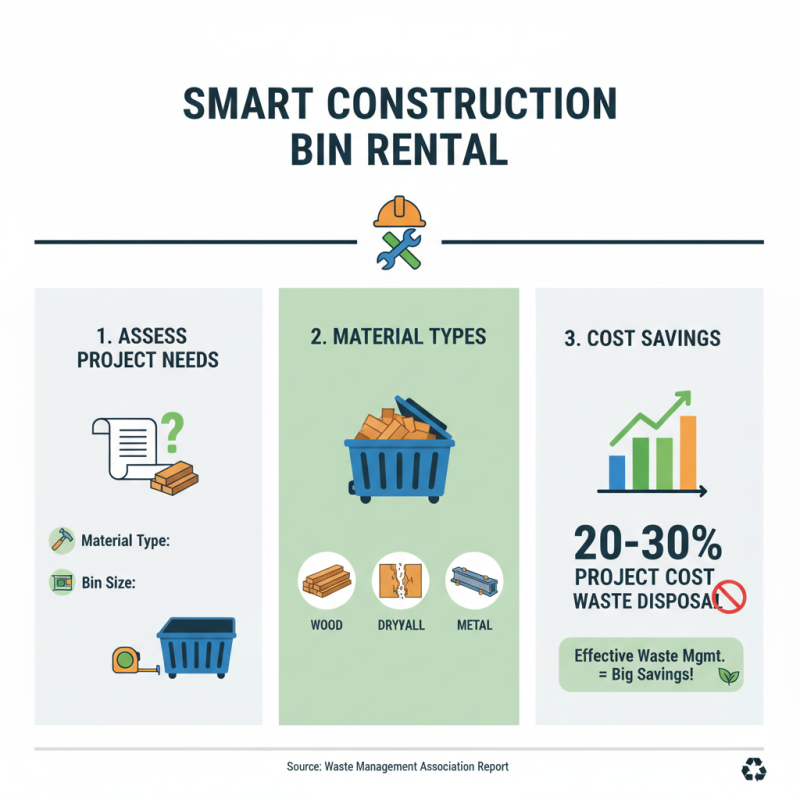
Choosing the right construction bin rental starts with understanding your project needs. Analyze the type of materials you'll be disposing of. For instance, construction debris often includes wood, drywall, and metal. Knowing this helps you select the right bin size. A report by the Waste Management Association states that 20-30% of total project costs can come from waste disposal. This emphasizes the need for effective waste management.
Consider the volume of waste your project may generate. If you're working on a larger site, a 30-yard bin might be necessary. For smaller projects, a 10 or 15-yard bin can suffice. The right size can save money and reduce the frequency of pickups. The average construction project produces around 3,000 pounds of waste for every 1,000 square feet of construction. This statistic reveals the potential waste burden if not adequately planned.
Budget is another key factor. Often, contractors overlook hidden fees related to bin rentals. These may include overage charges for exceeding weight limits. A transparent pricing structure is crucial. It's vital to ask about these aspects upfront to avoid surprises. Making informed decisions ensures that your project runs smoothly while adhering to waste disposal regulations.
Types of Construction Bins and Their Suitable Applications
Choosing the right construction bin for your project is crucial. Different types of bins serve various purposes. For instance, residential renovations often require smaller bins. These bins handle debris, such as old furniture and flooring. They are typically 10 to 15 cubic yards in size. This size fits easily in driveways and tight spaces.
Commercial projects, on the other hand, generate more waste. For these, larger bins are necessary. You can find bins ranging from 20 to 40 cubic yards. These can accommodate materials like concrete and metal scraps. However, some workers underestimate the amount of waste they’ll produce. This can lead to needing an extra bin, causing delays.
Specialized bins exist too. For example, yard waste bins help with landscaping projects. They can store branches, leaves, and grass clippings. However, some customers might ignore the need for different bin types. It's essential to analyze your specific project needs to avoid complications. Understanding your requirements can save you time and money.
Factors to Consider When Choosing a Construction Bin Rental
When choosing a construction bin rental, size is a key factor. Think about the scale of your project. A small renovation may only need a compact bin. Large construction sites, however, often require bigger containers. If you underestimate size, you’ll face extra trips and fees. You lose time and resources. Visualize your debris: how much will you generate? This calculation helps.
Another important detail is the rental duration. Understand your timeline well. Will you finish in a week or a month? If you guess wrong, you might rush your project or pay for extra days. Know your local regulations too. Some areas have specific rules about bin placement or rental periods. Missing these can lead to fines.
Don’t forget about accessibility. Place the bin where it won’t obstruct work. You want easy access for loading and removing waste. But sometimes, space is tight. In those cases, consider the logistical challenges. Can trucks reach the site easily? Evaluate your situation carefully, as choosing the wrong location complicates everything.
2026 How to Choose the Right Construction Bin Rental for Your Project? - Factors to Consider When Choosing a Construction Bin Rental
| Factor |
Description |
Considerations |
| Bin Size |
Choose a size that matches the volume of waste generated. |
Assess the scale of your project and estimate waste output. |
| Rental Duration |
Consider how long you will need the bin for. |
Avoid overpaying for unused rental days. |
| Type of Waste |
Different bins are suited for different types of waste. |
Check regulations for hazardous materials. |
| Delivery and Pick-Up |
Ensure timely delivery and collection of the bin. |
Confirm scheduling options with the rental company. |
| Pricing |
Understand the complete cost, including hidden fees. |
Request a detailed quote before renting. |
Comparing Rental Costs and Selecting the Right Vendor
When selecting a construction bin rental, understanding costs is crucial. Average rental prices can range from $200 to $800, depending on the bin size and rental duration. Small bins are more affordable. Larger bins could cost significantly more. The price varies by location, too. For instance, cities may charge higher rates due to demand.
Choosing the right vendor impacts your project's success. Read customer reviews and check ratings. Transparency in pricing is key. Many businesses have hidden fees. A recent industry report from the Construction Financial Management Association highlights that 45% of projects exceeded budgets due to unexpected costs. It's vital to clarify terms before signing a rental agreement.
Consider rental terms carefully. Comparing plans from different vendors helps identify the best deal. Flexible rental periods can save money. In some cases, a bin may be too small for your waste needs. This can lead to extra trips and higher costs. Engage with local vendors to discuss your project specifics. Gather quotes and ask for referrals. That can streamline your decision-making process.
2026 Construction Bin Rental Costs Comparison
This chart illustrates the average rental costs for different sizes of construction bins. As the bin size increases, so does the rental cost, making it essential to choose the right size for your project needs.
Best Practices for Using and Managing Your Construction Bin Rental
When managing a construction bin rental, effective planning is crucial. According to recent industry reports, 30% of construction delays are due to poor waste management. This highlights the need for a systematic approach. Start by assessing your project's scope. Is it a small renovation or a large-scale build? This will influence the size and type of bin you need. Too small a bin can lead to overflow. Too large can result in wasted costs.
Communication with your rental provider is vital. Ensure they understand your project timeline. Many projects change scope midway, affecting waste volumes. This can lead to rental inefficiencies. Research indicates that up to 20% of construction waste is mismanaged. Take time to inspect your site. Identify key areas where waste accumulates, and ensure bins are placed for easy access. This minimizes downtime during the work process.
Educating your team about proper waste segregation can enhance your management strategy. Many bins have specific allowed materials. A report by a waste management authority noted that improper disposal of materials can incur extra fees of around 25%. Encourage your team to separate recyclables and hazardous waste early. Mistakes in waste handling can lead to costly mistakes. Regularly reviewing your waste management practices will help identify areas for improvement as projects progress.