2026 Best Construction Site Dumpster Options for Your Project?
Choosing the right construction site dumpster is crucial for project efficiency. A well-selected dumpster can streamline waste disposal and keep the site organized. There are various options available based on project size and waste type. Understanding these can save time and money.
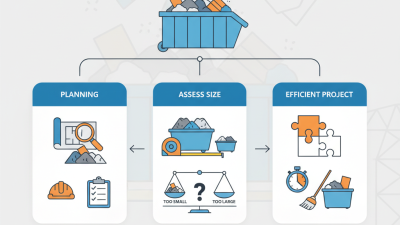
Contractors often overlook the importance of properly sized dumpsters. A too-small dumpster leads to overflow, while a large one may waste resources. The right choice balances cost and capacity, enhancing workflow. Factors like duration of the project and the volume of debris should inform your decision.
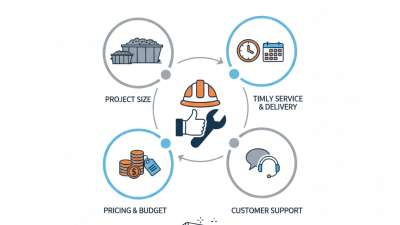
Researching reputable dumpster rental services adds another layer of reliability. Quality providers offer guidance tailored to your specific needs. Many options exist, but not all are created equal. Reading reviews and comparing prices can help you make an informed choice. Proper planning is vital for a successful construction project.
Understanding the Importance of Choosing the Right Dumpster for Construction
Choosing the right dumpster for your construction site is crucial. Proper selection affects project efficiency and safety. A report from the Environmental Protection Agency indicates that construction waste makes up about 25-30% of the total solid waste in landfills. This means that effective waste management is essential for sustainable building practices.
When selecting a dumpster, consider the type of materials you'll dispose of. Different materials may require different disposal methods. For example, heavy debris like concrete will need a different dumpster than general household waste. Always assess the volume of waste to avoid overfilling or underutilizing the container. A well-chosen dumpster reduces the risk of delays.
One important aspect is the dumpster size. If it's too small, frequent pickups may lead to higher costs. If it's too large, you could pay for unused space. Each project's requirements differ, and reflecting on past experiences can lead to better decisions.
For efficient waste management, evaluate your site layout. Ensure the dumpster is accessible without obstructing construction activities. Also, familiarize yourself with local disposal regulations as they can impact your waste management strategy. Understanding these aspects can help streamline your construction process and promote responsible disposal practices.
Types of Dumpsters Available for Construction Sites in 2026
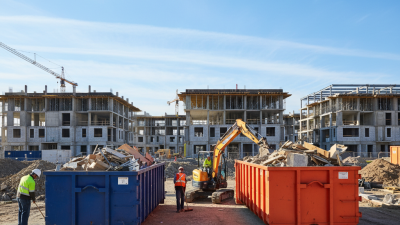
When it comes to construction site dumpsters in 2026, understanding the types available is crucial. Construction projects generate substantial waste, often necessitating multiple dumpster options. Roll-off dumpsters stand out as popular choices, typically ranging from 10 to 40 yards in capacity. According to the National Waste & Recycling Association, about 30% of construction waste is recyclable, making efficient waste management essential.
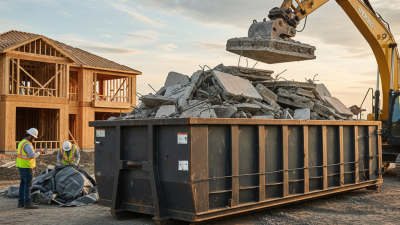
Construction sites also require specialized dumpsters. For example, heavy debris dumpsters are designed for materials like concrete and metals. These can support significant weight, often 2 tons or more. Moreover, compactor dumpsters are increasingly favored. They reduce waste volume, allowing more debris to be collected in less time. However, users often overlook the mechanics involved, leading to misunderstandings about capacity and weight limits.
Rental periods and costs also vary widely. A report by the Environmental Protection Agency highlights that inadequate planning can lead to extended rental fees, which 40% of contractors face. This can strain budgets and timelines. It's advisable to evaluate the project's scope meticulously to avoid unexpected expenses. Thus, being informed about dumpster options can streamline operations and enhance waste management efficiency on construction sites.
2026 Best Construction Site Dumpster Options for Your Project
| Dumpster Type |
Capacity (Cubic Yards) |
Common Uses |
Average Rental Cost ($) |
Weight Limit (Tons) |
| 10 Yard Dumpster |
10 |
Small Renovations, Garage Cleanouts |
300 |
2 |
| 20 Yard Dumpster |
20 |
Medium Construction Projects, Major Cleanouts |
400 |
4 |
| 30 Yard Dumpster |
30 |
Large Renovations, New Construction, Roof Replacements |
500 |
6 |
| 40 Yard Dumpster |
40 |
Commercial Project, Large Construction |
600 |
8 |
| Roll-Off Dumpster |
Customizable |
Demolition Waste, Large Volume Projects |
Varies |
Varies |
Factors to Consider When Selecting a Construction Site Dumpster
Selecting the right dumpster for your construction site is crucial. Various factors influence this choice. Firstly, consider the size of the dumpsters available. A report from the National Association of Home Builders indicates that over 60% of construction projects underestimate their waste volume. This can lead to project delays and additional costs. Choosing a dumpster that accommodates potential waste helps avoid these issues and keeps the site running smoothly.
Next, think about the type of waste generated. Construction sites produce various materials, from wood to metal. According to the Environmental Protection Agency, construction and demolition waste accounts for about 22% of the total waste generated in the U.S. Selecting a dumpster designed for the specific materials you handle will help ensure compliance with local regulations and reduce environmental impact.
When making your choice, review local disposal regulations. They can significantly affect your dumpster selection. Some areas may have restrictions on mixed waste disposal. Aligning with local policies might save you future headaches and costs. A good practice is to consult with waste management professionals. Their expertise can guide you in choosing the best option for your project.
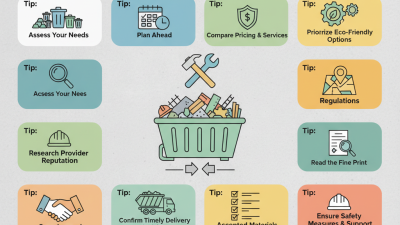
Look around for options. Compare prices, services, and conditions. Plan ahead to ensure that you have the right dumpster at the right time. Understanding these factors can enhance efficiency and help achieve project goals more effectively.
Comparative Analysis of Rental Costs for Construction Dumpsters
When planning a construction project, choosing the right dumpster is essential. Understanding rental costs can help you make an informed decision. Generally, prices vary based on size, duration, and location. A smaller dumpster might cost around $200 to $300 for a week, while larger options can exceed $600. Analyzing different sizes helps meet specific project needs while managing your budget.
Local regulations also play a crucial role in pricing. Some municipalities impose extra fees, adding complexity to your cost analysis. For example, you might find additional charges for street permits or environmentally-friendly disposal options. These details often slip through the cracks but can affect your overall expenses.
Different companies provide unique offerings, which can lead to confusion. Many advertise competitive prices, but hidden fees can inflate costs. Always inquire about the final charge to avoid unexpected surprises. It’s a challenge to find an option that balances cost-effectiveness and reliability. Consider reaching out to industry experts or peers for insights. They can share experiences that help identify the best value for your specific project needs.
Best Practices for Efficient Waste Management on Construction Sites
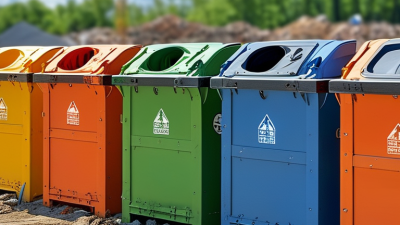
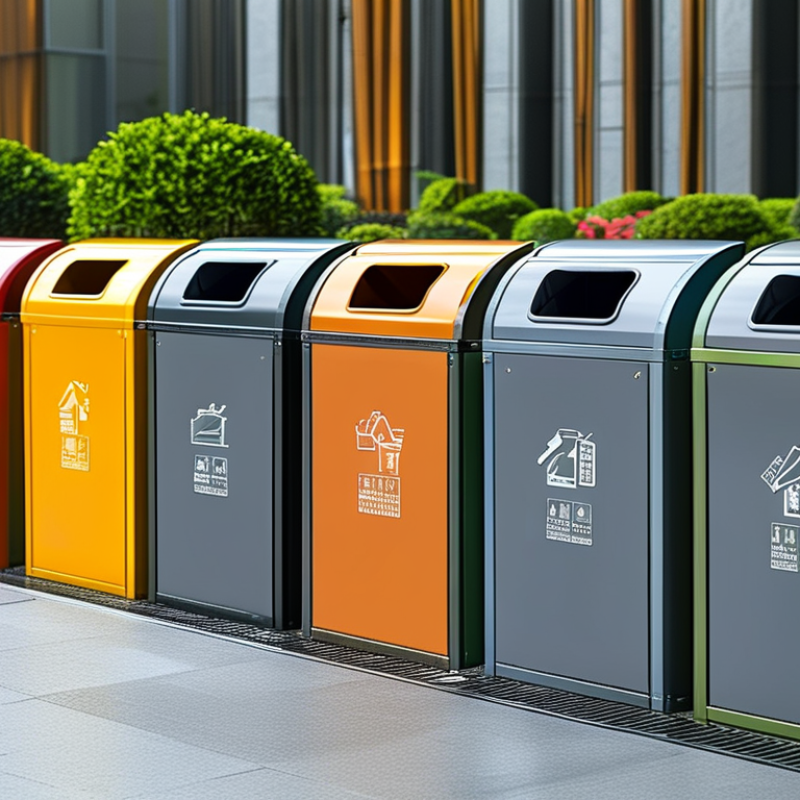
Efficient waste management on construction sites is crucial for both environmental sustainability and project efficiency. Proper planning can significantly reduce the amount of waste generated. Start by assessing the types of materials you will use. This foresight allows you to minimize excess at the source. Implementing segregation practices is essential; it helps in recycling reusable materials. Clearly labeled bins for different waste types can streamline this process, making it easier for workers to follow.
Training your team on waste management practices can foster a culture of responsibility. When team members understand the impact of waste, they are more likely to engage in mindful practices. Regular audits of waste can highlight areas for improvement. It can be easy to overlook how much waste accumulates, leading to missed opportunities for recycling. Recognizing these shortfalls can help adapt and improve strategies. Commitment to continuous reflection on waste management can enhance environmental outcomes and project timelines.