Top 10 Best Construction Disposal Containers for Efficient Waste Management
Efficient waste management is a crucial aspect of any construction project, ensuring that sites remain clean, organized, and compliant with local regulations. One of the most effective solutions for managing construction debris is the use of construction disposal containers. These versatile and durable containers are designed to handle various types of waste generated during construction, such as concrete, wood, metal, and other materials. By utilizing the right disposal containers, construction teams can streamline their waste management processes, reduce environmental impact, and enhance overall site safety.
In the ever-evolving construction industry, choosing the best construction disposal containers is essential for maximizing efficiency and minimizing disruption. The ideal containers not only accommodate the specific types of waste produced but also provide easy access and convenience for workers on-site. This guide will explore the top options available, discussing features, benefits, and considerations to help project managers and construction teams select the best containers for their needs. With the right disposal solutions at hand, construction projects can progress smoothly, allowing teams to focus on their core tasks while effectively managing waste.
Types of Construction Disposal Containers Available in the Market
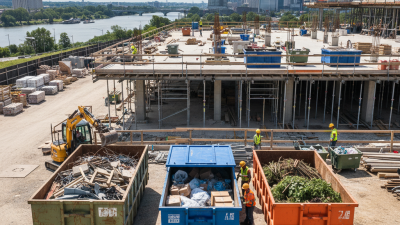
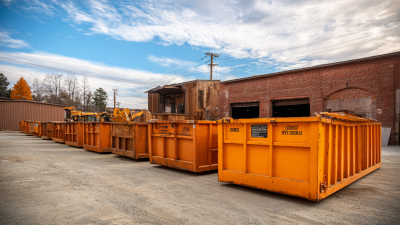
Construction sites generate a significant amount of waste, and having the right disposal containers is crucial for efficient waste management. There are several types of construction disposal containers available in the market to cater to various needs. One of the most common types is the roll-off dumpster, which comes in various sizes, making it ideal for projects ranging from small renovations to large commercial constructions. These containers are designed to accommodate heavy debris, such as broken concrete, lumber, and metal scraps, ensuring a streamlined process for waste disposal.
Another popular option is the front-load container, which is typically used for ongoing construction projects that produce consistent waste. These containers are emptied regularly by a waste management service, making them a practical choice for contractors who need frequent access to waste disposal. Additionally, compactors are available for sites that generate a high volume of recyclable materials. These containers compress waste, reducing the frequency of emptying and optimizing space efficiency. By selecting the appropriate type of construction disposal container, contractors can enhance their waste management practices while maintaining a safe and organized work environment.
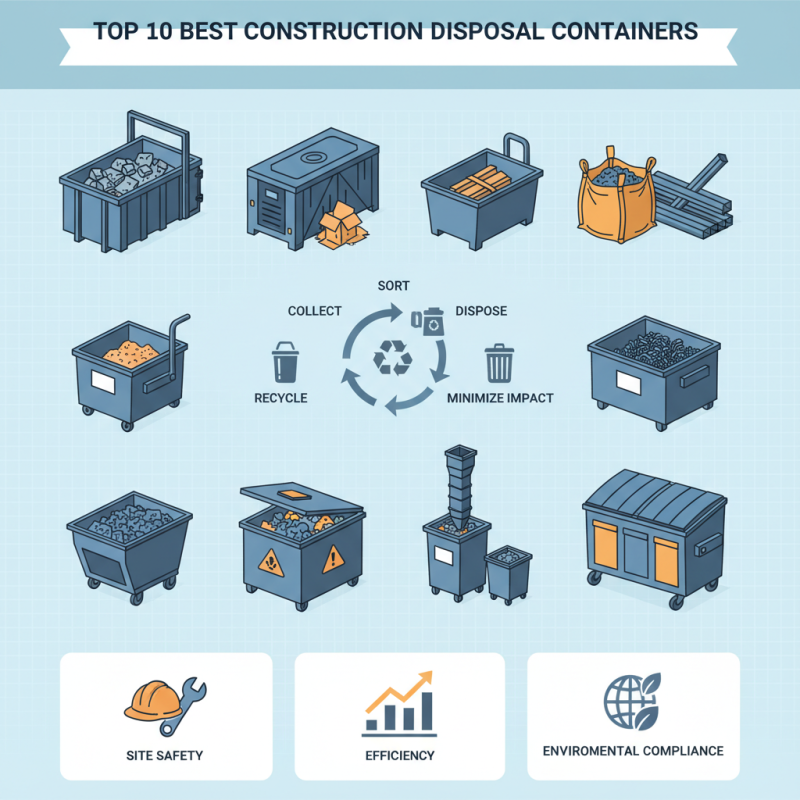
Top 10 Best Construction Disposal Containers for Efficient Waste Management
| Container Type |
Volume (Cubic Yards) |
Weight Capacity (lbs) |
Best For |
Features |
| Roll-Off Container |
20-40 |
4000-7000 |
Large Renovations |
Easy Load, Drop-off Service |
| Front-Load Container |
2-8 |
1000-2000 |
Frequent Waste Disposal |
Easy Access, Durable |
| Mini Container |
2-10 |
1000 |
Residential Projects |
Compact Size, Convenient |
| Compactor Container |
10-30 |
3000-5000 |
High Volume Waste |
Space Saving, Efficient |
| Hazardous Waste Container |
Varies |
Varies |
Specialty Waste Management |
Secure, Compliant |
| Construction Dumpster |
10-40 |
3000-6000 |
General Renovation |
Open Top, Versatile |
| Bulk Container |
30-50 |
6000-10000 |
Construction Sites |
Large Volume, Heavy Duty |
| Site-Specific Container |
Custom |
Custom |
Unique Job Requirements |
Tailored Solutions |
| Recycling Container |
10-30 |
2000-4000 |
Sustainable Projects |
Eco-Friendly, Separate Materials |
| Mixed Waste Container |
10-40 |
3000-6000 |
General Construction Debris |
Versatile Collection |
Key Features to Consider for Efficient Waste Management
When selecting construction disposal containers for efficient waste management, several key features must be considered to ensure performance and convenience. First and foremost, the size and capacity of the container are crucial. It should accommodate the expected volume of waste generated from the construction site without requiring frequent pickups, thus minimizing downtime and transportation costs. A well-sized container can streamline operations by allowing workers to efficiently dispose of materials, keeping the work environment organized and safe.
Another essential feature is the container's durability and design. Containers made from robust materials are better equipped to handle the heavy and often abrasive nature of construction waste. Additionally, a well-designed container should provide easy access for loading and unloading, with features such as roll-off edges and secure locking mechanisms to prevent spillage during transport. Choosing a container that is easy to maneuver can also significantly enhance productivity by allowing for quick relocation on-site as the project evolves. By focusing on these key aspects, construction teams can optimize their waste management processes effectively.
Best Practices for Selecting a Construction Disposal Container
When selecting a construction disposal container, it is crucial to consider several best practices that will enhance your waste management efficiency. First and foremost, assess the volume of waste generated by your project. This will help in choosing a container size that meets your needs without incurring unnecessary costs. Larger containers are beneficial for extensive projects, while smaller ones may suffice for minor renovations. Additionally, consider the types of materials you will be disposing of; different waste types may require specific handling to comply with local regulations.
Another important factor is the location of the disposal container. Choosing a site that allows easy access for waste collection vehicles is vital to minimize delays and ensure timely pick-ups. It is also advisable to evaluate the duration the container will be needed, as rental agreements vary significantly in terms of pricing and terms based on rental length. Lastly, taking into account local regulations and guidelines around waste disposal is essential to avoid any fines or complications. By prioritizing these criteria, you can ensure an effective waste management strategy that supports both your project goals and environmental standards.
Top 10 Construction Disposal Containers Reviewed and Compared
Efficient waste management is critical in the construction industry, where it is estimated that approximately 50% of all landfills are filled with construction and demolition debris, according to the Environmental Protection Agency (EPA). With this significant impact on the environment, selecting the right disposal containers is essential for construction companies aiming to bolster sustainability practices. The variety of disposal containers—ranging from roll-off bins to compactors—ensures that project managers can find a solution tailored to meet specific project needs while optimizing space and managing costs effectively.
An effective disposal container not only streamlines waste collection but also enhances compliance with regulations regarding waste segregation and disposal. A recent industry report indicated that projects utilizing appropriately sized disposal containers could reduce waste management costs by up to 30%, demonstrating the financial benefits of making informed choices. Container selection based on project size, type of materials, and disposal frequency ensures that construction sites remain organized and that environmental standards are upheld, ultimately contributing to a more sustainable construction approach. By prioritizing efficient waste management techniques, construction firms can significantly mitigate their ecological footprint while staying within budgetary constraints.
Environmental Impact and Regulations for Waste Disposal Containers
Effective waste management in construction relies heavily on the use of appropriate disposal containers, which are often subject to environmental regulations designed to minimize ecological impact. According to the Environmental Protection Agency (EPA), construction and demolition debris accounts for approximately 25% of the total waste generated in the United States, highlighting the need for efficient waste management practices within the industry. Regulations such as the Resource Conservation and Recovery Act (RCRA) mandate rigorous standards for waste disposal containers to ensure that hazardous materials are handled safely, and the environments around construction sites remain protected.
Moreover, the choice of disposal container can significantly influence a construction site’s environmental footprint. Containers that are designed for specific waste types, such as recyclable materials or hazardous substances, can optimize waste sorting and reduce the likelihood of pollution. A study published in the Journal of Construction Engineering and Management found that using designated containers led to a 30% increase in recycling rates on construction sites. Emphasizing container efficiency not only aids in compliance with regulations but also promotes sustainable practices within the construction industry. As professionals look for ways to mitigate their environmental impact, understanding the interplay between regulations and waste disposal methods becomes crucial for successful waste management.
Top 10 Best Construction Disposal Containers for Efficient Waste Management